A Slow Traveler’s Notes from Marvão
There are places where the land itself feels ancient, etched with the stories of forgotten kingdoms and silent battles. Marvão, perched like an eagle’s nest high above the Alentejo plains, is one such place. Standing upon its rugged castle walls, the vista unfolds in a breathtaking panorama – to one side, the gentle undulations of Portugal stretch endlessly, while to the other, the starker, sun-baked landscapes of Spain beckon. Here, at this ancient frontier, the very air hums with the echoes of history, a profound sense of connection to a past where borders were not just lines on a map but fiercely contested territories. Two days is not merely enough time to see Marvão; it is enough time to truly feel it, to let its quiet magic seep into your bones, transforming a mere visit into a resonant memory.
Day 1
-
Morning – The Castle’s Embrace
Begin your exploration where Marvão truly begins: at its magnificent castle. This isn’t just a fortress; it’s a living relic, its granite stones worn smooth by centuries of hands and winds. As you ascend the ramparts, take a moment to absorb the sheer scale of the landscape. The views are, quite simply, epic – a patchwork quilt of olive groves, cork oaks, and ancient farmsteads stretching to the horizon, dissolving into the hazy blue of distant mountains. Imagine the sentinels who once stood here, their gaze sweeping over these very plains, alert to whispers of approaching armies. Delve into the castle’s various chambers, picturing medieval life, the clatter of armour, and the quiet dignity of its inhabitants. There’s a particular stillness within these walls, a sense of timelessness that encourages quiet contemplation.
-
Afternoon – Whispers in the Cobblestones
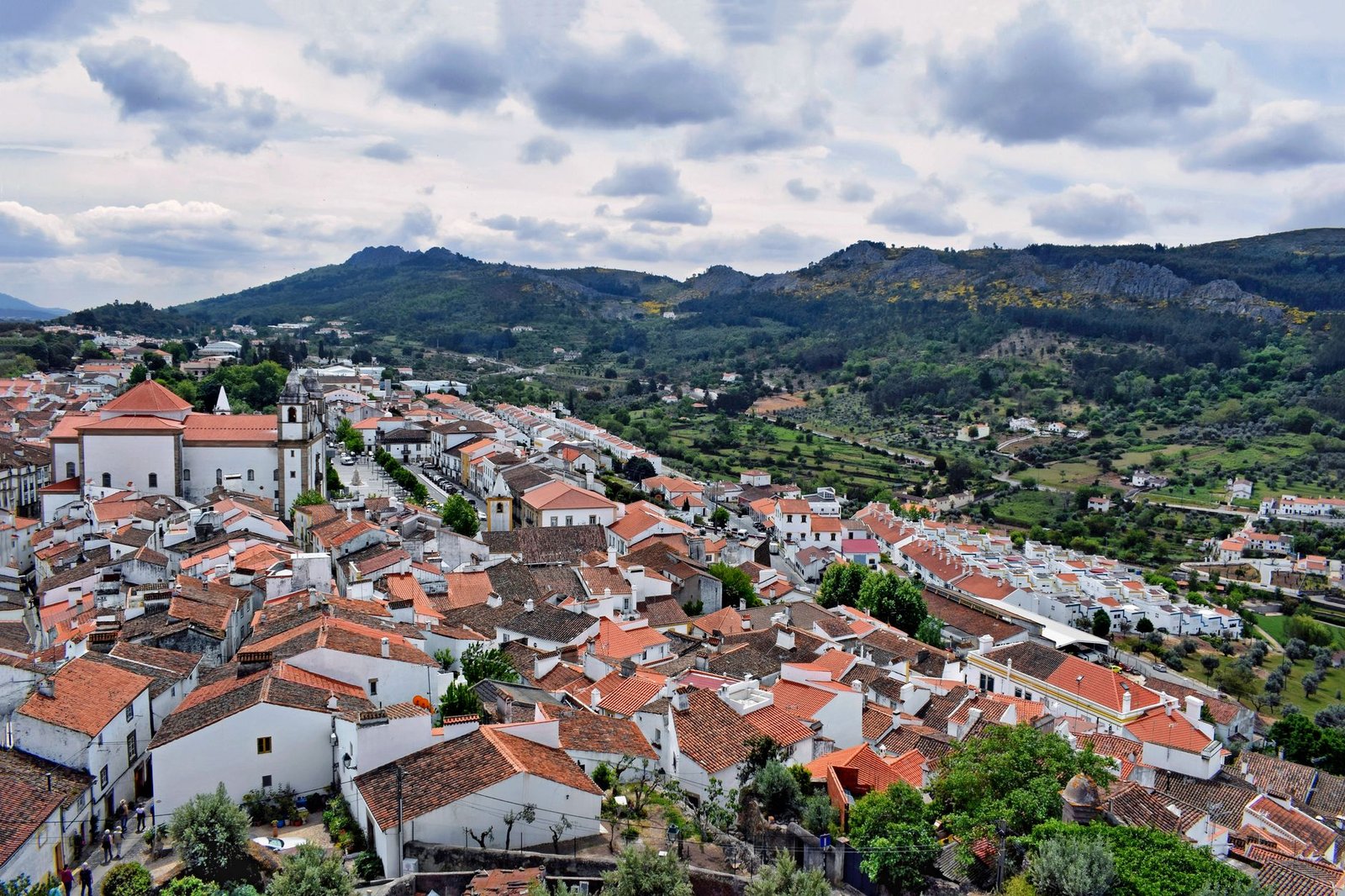
Descend from the castle and lose yourself in Marvão’s labyrinthine streets. These aren’t streets to rush through; they are meant for wandering, for allowing curiosity to lead you. The village itself is a pristine collection of whitewashed houses, their traditional Alentejan blue or yellow trim adding a splash of colour, adorned with vibrant bougainvillea and geraniums. Notice the intricate ironwork on balconies, the heavy wooden doors, and the tiny chapels tucked into unexpected corners. Pop into the Igreja de Santa Maria, now transformed into a charming municipal museum, where local artifacts tell the story of Marvão’s resilient people – from Roman tools to medieval pottery. Each piece offers a tangible link to the lives lived here across millennia, grounding the grand historical narrative in everyday human experience.
-
Evening – Alentejan Flavours & Starlit Stories
As evening descends, the village takes on a different hue, softened by the warm glow of streetlights. Seek out a traditional Alentejan restaurant; Marvão offers a handful of delightful choices. Indulge in local specialties like açorda alentejana (a hearty bread soup), succulent pork dishes often flavoured with garlic and coriander, or locally sourced cheeses and olives. The food here is honest, soulful, and deeply rooted in the land. Afterwards, perhaps find a quiet spot along the village walls or a bench in the castle courtyard. With minimal light pollution, the night sky above Marvão is a dazzling spectacle. Legend has it that the stars here are particularly bright, illuminating ancient paths for travellers and poets alike. Let the cool night air and the vastness above transport you, listening for the tales the wind still carries.
Day 2
-
Morning – Roman Roads and Natural Wonders
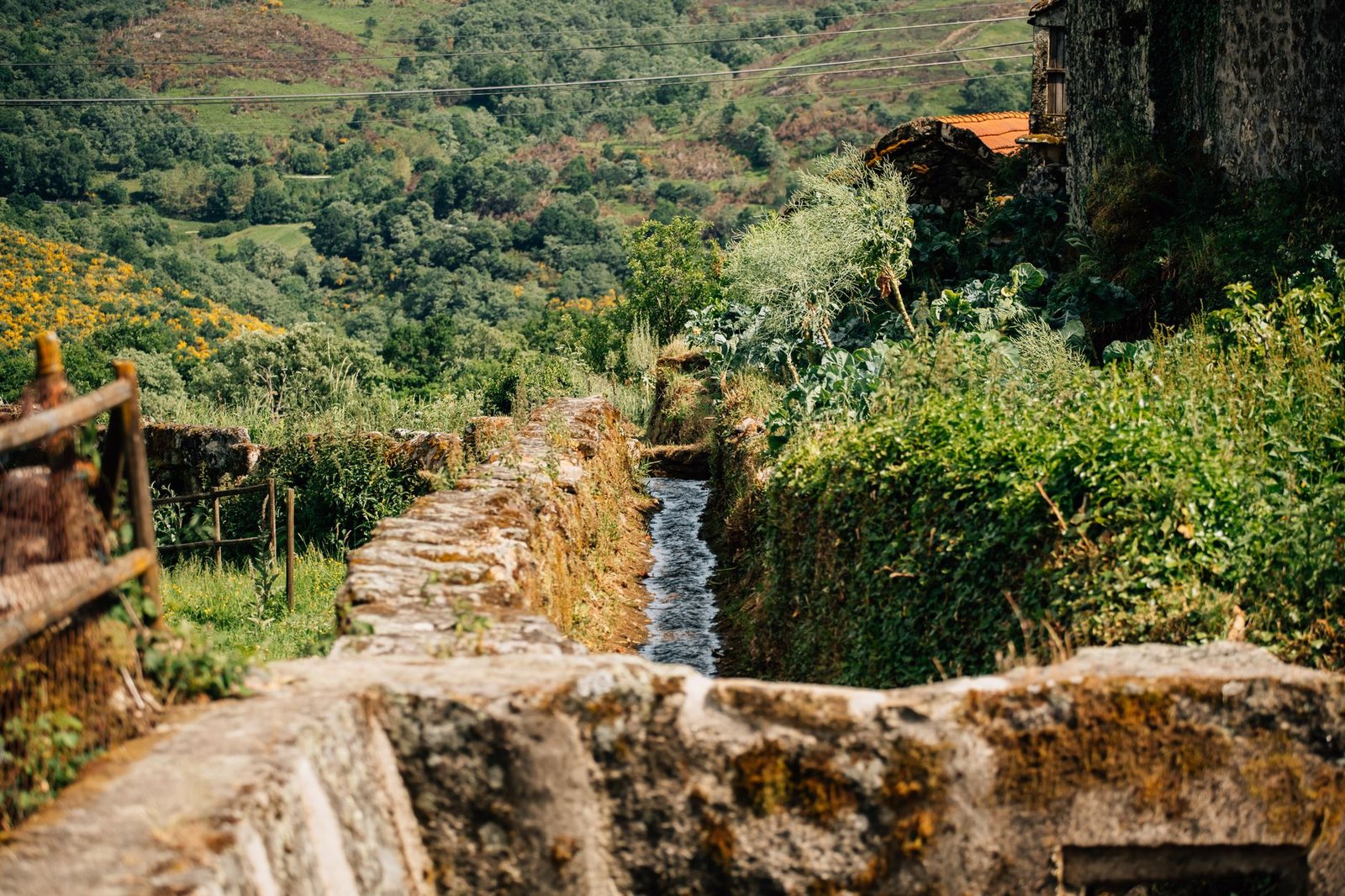
Dedicate your second morning to exploring beyond Marvão’s immediate walls, either by foot or a short drive. Just below the village lies the Roman bridge of Portagem, a testament to ancient engineering and a gateway that once controlled passage between Roman Lusitania and Hispania. The name “Portagem” itself means “toll gate,” highlighting its historical significance. Take a moment by the tranquil Sever River, reflecting on the countless journeys that have crossed this very spot. For those who enjoy a gentle hike, the walking trails around Marvão offer different perspectives of the fortified village, revealing its commanding presence against the vast Alentejo landscape. These paths often lead through groves of cork oaks, where you might spot a shepherd with his flock, a scene unchanged for centuries.
-
Afternoon – Contemplation and Crafts
Return to the village for a more relaxed afternoon. Perhaps visit the small Capela da Nossa Senhora da Estrela (Chapel of Our Lady of the Star) for its simple beauty and the quiet reverence it inspires. Or, if you’re drawn to local craftsmanship, seek out any small artisan shops that might be open, perhaps offering hand-painted ceramics or locally produced honey. Marvão encourages slowing down, finding beauty in the details. Consider simply finding a bench in a sun-dappled square, perhaps with a strong Portuguese coffee, and watch the world go by at its own unhurried pace. This is a place for observation, for letting thoughts unfold, and for appreciating the quiet rhythm of traditional Portuguese life.
-
Evening – A Farewell to the Frontier
For your final evening, perhaps revisit a favourite viewpoint, whether it’s the castle walls or a peaceful spot overlooking the valley. As the sun dips below the horizon, painting the sky in fiery oranges and soft purples, the transition from day to night over the Alentejo is a spectacle that never tires. The distant lights of neighbouring villages begin to twinkle, a reminder of human life scattered across the ancient land. Enjoy a final, unhurried meal, savouring the memories you’ve created in this truly exceptional place. Marvão leaves an indelible mark, a quiet strength that resonates long after you’ve left its stony embrace.
Getting There & Getting Around
Marvão, due to its elevated and somewhat remote location, is best reached by car. This offers the most flexibility to explore the surrounding Alentejo region, as public transport options are limited. The nearest major cities are Portalegre (about 30 minutes drive) and Castelo de Vide (about 15 minutes drive), both of which can be reached by bus from Lisbon, though you would then need a taxi or pre-arranged transfer to Marvão. Once in Marvão, the village itself is small and entirely pedestrian-friendly, with its narrow, cobbled streets best navigated on foot. Parking is available just outside the village walls.
Summary
Marvão is more than just a destination; it’s an experience for the soul that yearns for authentic history and profound tranquility. It’s a place where every stone has a story, every view a panorama that spans not just countries, but centuries. From the formidable castle walls that have guarded this frontier for generations to the silent, sun-drenched streets that invite aimless wandering, Marvão offers a rare glimpse into a timeless Portugal. It reminds us of the enduring beauty of simple things, of history that breathes, and of landscapes that stir the imagination. For those seeking to escape the well-trodden paths and truly connect with Europe’s deep historical tapestry, Marvão awaits with open arms and ancient whispers.
Plan your trip with TourZen.in – real itineraries, trusted local experts, one simple conversation.
Image by: Jocelyn Erskine-Kellie\nhttps://www.pexels.com/@jocelyn-erskine-kellie-68266457