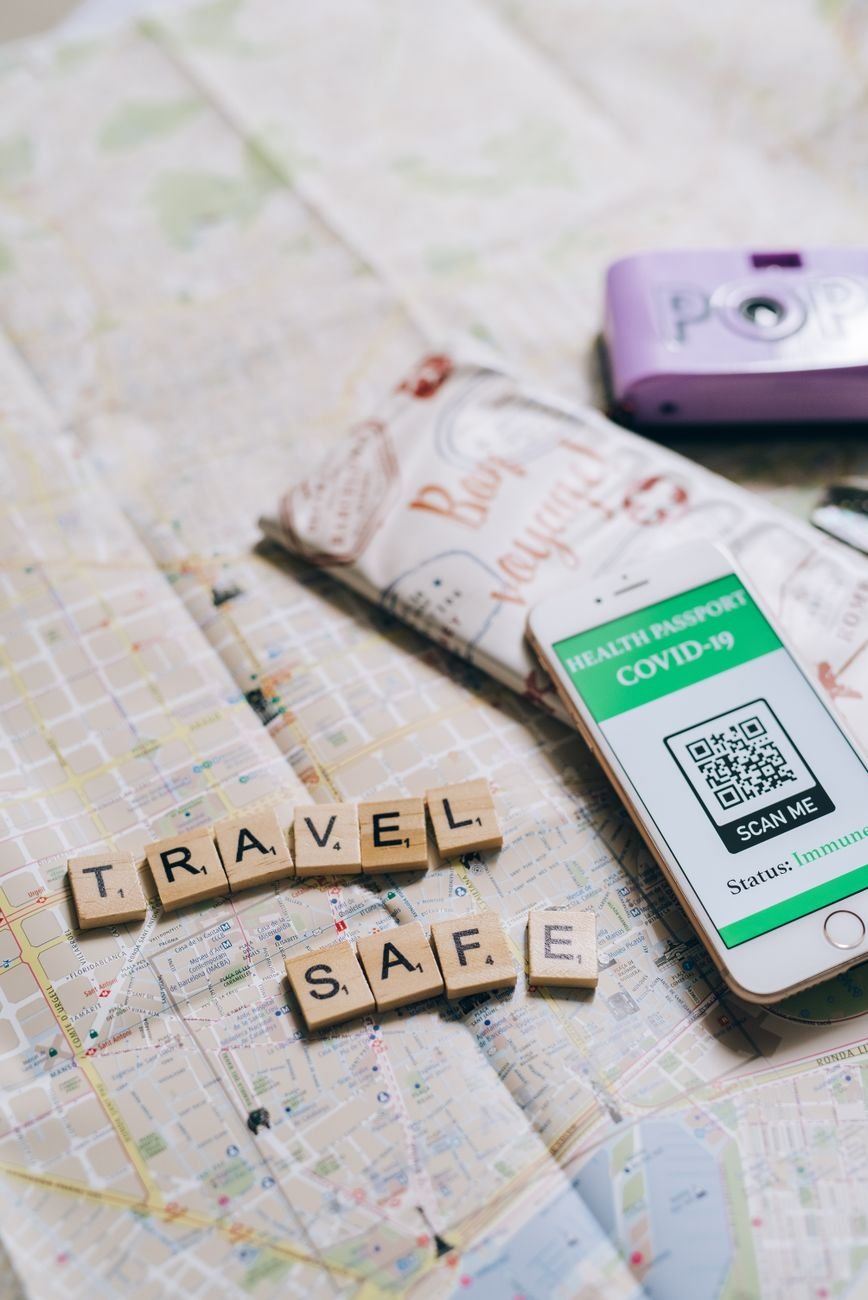
When Should Travel Advisories Truly Change Your Plans?
There’s a quiet rhythm to planning a journey, a careful unfurling of maps and possibilities. But sometimes, a different kind of note enters the melody: the steady hum of a travel advisory. It can feel like a sudden gust of wind, rustling through those carefully laid plans. How do we, as mindful travelers, discern its true message? Is it a whisper of caution, a gentle suggestion to adjust our sails, or a firm hand on the tiller, guiding us entirely in another direction? It’s about learning to listen with an informed ear, distinguishing between background noise and a genuine call to recalibrate our path.
What exactly are travel advisories, anyway?
Think of travel advisories not as rigid commands, but as signposts, illuminated by the collective knowledge of governments and diplomatic missions. These are formal warnings or pieces of advice issued by your home country’s foreign affairs department, designed to inform citizens about potential risks in various parts of the world. They encompass a wide spectrum of concerns: political instability, natural disasters, health crises, or even elevated crime rates.
Different nations use slightly different systems, but often, you’ll find a tiered approach. Perhaps a simple ‘exercise normal precautions’ for destinations with no significant issues, gradually escalating through ‘exercise increased caution,’ ‘reconsider travel,’ and, at the most severe end, ‘do not travel.’ It’s a spectrum, reflecting the nuanced reality on the ground, always shifting, always evolving.
Where should I look for the most reliable information?
In our era of instant information, it’s easy to get swept up in headlines or social media chatter. But when it comes to your safety, clarity and accuracy are paramount. The most dependable sources will always be the official government websites of your own country. For example, in the United States, it’s the Department of State; in Canada, Global Affairs Canada; in the UK, the Foreign, Commonwealth & Development Office; and in Australia, the Department of Foreign Affairs and Trade.
These sites are updated regularly, often multiple times a day if a situation is rapidly developing. They offer a comprehensive, balanced perspective, usually grounded in intelligence reports and on-the-ground assessments from embassies and consulates. Take the time to bookmark these pages and consult them directly, rather than relying on secondary reports that might miss crucial details or context.
How do I interpret the different advisory levels?
Understanding the layers of meaning behind each advisory level is key to making informed choices. A ‘Level 1: Exercise Normal Precautions’ often means the destination presents no greater risks than many other parts of the world, suggesting a generally safe environment for typical tourist activities. This is often the baseline.
As the levels climb, so does the suggested vigilance. ‘Level 2: Exercise Increased Caution’ might point to specific areas of a country with higher crime rates, or perhaps a history of civil unrest that isn’t currently active but remains a consideration. This level prompts you to be more aware of your surroundings, perhaps avoid certain neighborhoods, or be cautious during specific times. ‘Level 3: Reconsider Travel’ is a more significant red flag. It usually indicates serious risks that, while not immediately life-threatening to every visitor, warrant significant thought about whether your trip is truly necessary or if the risks outweigh the benefits. This might be due to sporadic violence, widespread health concerns, or very unpredictable political situations.
Finally, ‘Level 4: Do Not Travel’ is the most serious. This is issued when there is a high probability of life-threatening risks. This could be due to active warfare, widespread civil unrest, severe natural disasters making infrastructure unsafe, or grave health epidemics. At this level, governments often advise their citizens to leave immediately if they are already there, or not to go at all. It’s a stark warning that the risks are simply too high for safe travel.
When should an advisory truly make me reconsider my plans?
The decision to alter or cancel a trip is deeply personal, but certain advisory levels should prompt a serious pause. A ‘Level 3: Reconsider Travel’ advisory is often the threshold where a thoughtful traveler genuinely starts to weigh their options. It suggests that while a destination might not be entirely off-limits, the risks are substantial enough that a casual visit could put you in harm’s way.
When you see a ‘Level 3,’ delve into the specifics. Is the advisory for the entire country, or just a particular region you weren’t planning to visit? Are the risks transient, like a hurricane season, or ongoing, like political instability? Your comfort level with risk, your travel insurance policy, and the specific nature of your trip (a relaxing beach holiday versus volunteer work in a remote area) all play a part. This is not a time for hurried decisions, but for careful, quiet reflection on what truly matters for your peace of mind.
A ‘Level 4: Do Not Travel’ advisory, however, usually leaves little room for ambiguity. This is when nearly all personal travel plans should be seriously reconsidered, if not outright canceled. The risks at this level are often existential, threatening personal safety, access to basic necessities, or freedom of movement. Your government is essentially stating that it may have extremely limited ability to assist you if you encounter trouble. It’s a moment to trust the guidance and prioritize your well-being above all else.
What if an advisory changes while I’m already there?
This is precisely why staying informed isn’t just for pre-trip planning, but for the entire duration of your journey. If an advisory changes while you are in a destination, the first step is to calmly consult the official government website again. Understand the *nature* of the change. Is it a general heightened caution, or a specific, urgent warning?
If the advisory escalates to ‘Reconsider Travel’ or ‘Do Not Travel,’ reach out to your embassy or consulate. They are your primary point of contact for assistance and can provide localized guidance. Inform your family or friends of your situation, and review your travel insurance policy for clauses regarding early departure or emergency evacuation. Sometimes, the best course of action is to depart if it can be done safely and efficiently. Even if it disrupts your itinerary, a calm, proactive response can make all the difference.
Should I always cancel a trip if there’s an advisory?
Not necessarily, but you should always approach an advisory with a clear head and a sense of personal responsibility. A ‘Level 1’ or even ‘Level 2’ advisory might not necessitate cancellation, but rather a slight adjustment to your awareness. For instance, if there’s a ‘Level 2’ due to petty crime in a city, you might decide to leave your most valuable jewelry at home and keep a closer eye on your belongings, as you might in any large city.
The beauty of slow travel is its adaptability, its invitation to be truly present. Sometimes, being present means acknowledging risks and deciding how to navigate them wisely, rather than letting fear dictate every turn. It’s about empowering yourself with information, assessing your own comfort with the reported situation, and making a decision that aligns with your personal values and safety thresholds. It’s an exercise in mindful navigation, understanding that peace of mind is as crucial a companion as your passport.
Summary
Navigating the world of travel advisories is less about adhering to rigid rules and more about cultivating an informed awareness. It’s an invitation to pause, to listen to the whispers of caution from official sources, and to interpret their meaning in the context of your own journey. By seeking out reliable government information, understanding the nuances of each advisory level, and reflecting on your personal risk tolerance, you empower yourself to make thoughtful, rather than reactive, decisions. This mindful approach ensures that your travels remain rich with discovery, balanced with a deep sense of security and presence.
Plan your trip with TourZen.in – real itineraries, trusted local experts, one simple conversation.
Image by: Leeloo The First\nhttps://www.pexels.com/@leeloothefirst